Magnetic System Flush vs Powerflush: Which Is Better?
Sludge and corrosion stealing heat from your radiators? See how a magnetic system flush compares with a powerflush for cleaning central heating.
Magnetic System Flush vs Powerflush: Cleaning Your Central Heating
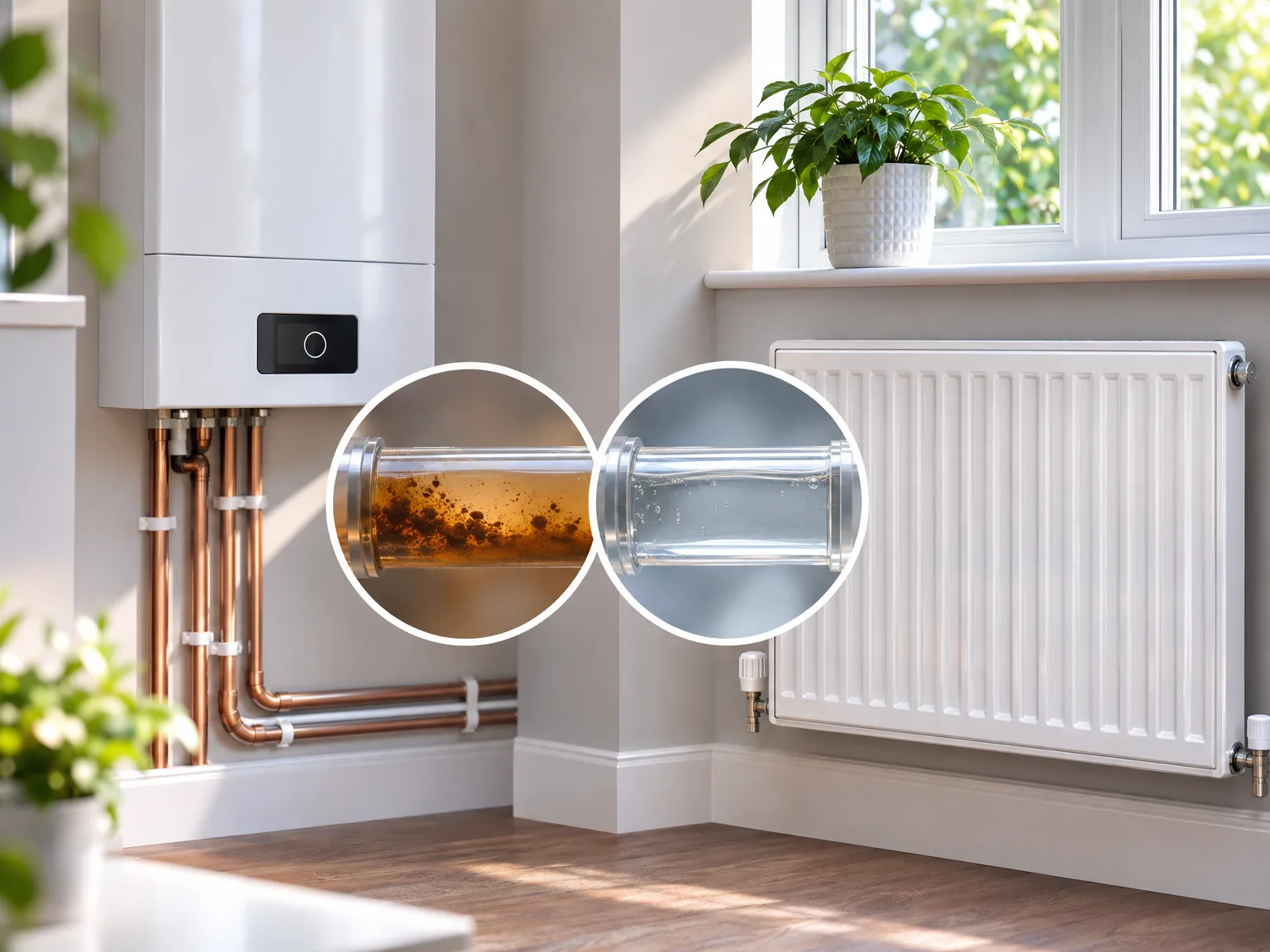
Over time, central heating systems accumulate magnetite, sludge and corrosion debris that restrict water flow, strain your boiler and leave radiators cold at the bottom. If your heating feels sluggish or your boiler is working harder than it should, the system may simply need a thorough clean - and choosing the right method matters.
This guide addresses magnetic system flush vs powerflush: cleaning your central heating the right way, helping you decide which approach suits your circumstances.
When Systems Turn Dirty
Debris builds up gradually, reducing heat transfer and placing unnecessary stress on pumps and boiler components. Common warning signs include:
- Cold spots at the bottom of radiators, indicating trapped sludge.
- Discoloured water when bleeding radiators.
- A boiler that runs noisily or struggles to reach temperature.
Two Methods, One Goal
Both approaches target the same underlying problem but differ fundamentally in execution - understanding the distinction leads to a confident, well-informed decision.
Why Cleaning Your Central Heating Is Essential for System Efficiency
Over time, every central heating system accumulates magnetite, sludge, scale and corrosion debris. This build-up silts up pipework, coats heat exchanger surfaces and restricts water flow - forcing your boiler to work harder to deliver the same level of warmth.
What Debris Does to Components
When circulation is impeded, the consequences spread throughout the system:
- Boilers strain against reduced heat transfer and wear out sooner than they should
- Pumps fight against blockages, leading to premature failure
- Diverter valves clog with sludge and lose the ability to switch correctly
- Radiators remain cold at the bottom, leaving rooms consistently underheated
Why It Starts with a Clean System
The debate around magnetic system flush vs powerflush - cleaning your central heating thoroughly - begins with one simple truth: a dirty system is an inefficient one. Proper cleanliness protects boiler warranties, extends component lifespan and ensures heat reaches every room reliably.
What Accumulates Inside a Central Heating System Over Time
Every central heating system degrades from the inside out. As metal pipework, radiators and components interact with circulating water, a slow chemical process deposits harmful material throughout the system. Understanding this build-up is what any comparison of magnetic system flush vs powerflush for cleaning your central heating must address first.
The Main Offenders
Deposits fall into several distinct categories:
- Magnetite - black iron oxide particles formed when oxygen reacts with ferrous metals
- Limescale - hard calcium deposits that coat heat exchangers and inhibit heat transfer
- Corrosion debris - metal fragments shed from ageing pipework and radiators
Why It Worsens Over Time
Deposits accumulate gradually during entirely normal operation. Each heating season adds another layer, narrowing pipework, restricting flow and forcing boilers to work harder than they should. Eventually, radiators run cold at the bottom and pumps fail prematurely - both reliable signs that the system is compromised.
How a Powerflush Works to Clean Your Central Heating
When weighing up magnetic system flush vs powerflush: cleaning your central heating is at its most aggressive with the powerflush approach. A specialist machine connects directly to the system and forces water through at high velocity, physically dislodging sludge, magnetite and scale from pipework, radiators and the heat exchanger.
The Repeated Cycle Approach
The process relies on volume and repetition. An engineer works through each section of the system in turn, reversing flow direction to break up stubborn deposits and directing contaminated water out to drain - cycling until what comes out runs clear.
What Gets Flushed Out
A powerflush targets three main categories of contamination:
- magnetite sludge that settles at the base of radiators and restricts circulation
- scale that blocks narrow heat exchanger passages and reduces heat transfer
- corrosion debris that damages pump impellers and causes premature component failure
The brute-force nature of powerflush makes it effective where contamination is severe and long-standing.
How a Magnetic System Flush Differs From a Powerflush
A powerflush sends water through the system at high velocity, dislodging years of magnetite, sludge and debris in a series of forceful cycles. The approach is effective, but it relies entirely on volume and pressure to shift deposits rather than chemistry.
Chemistry and filtration, not pressure
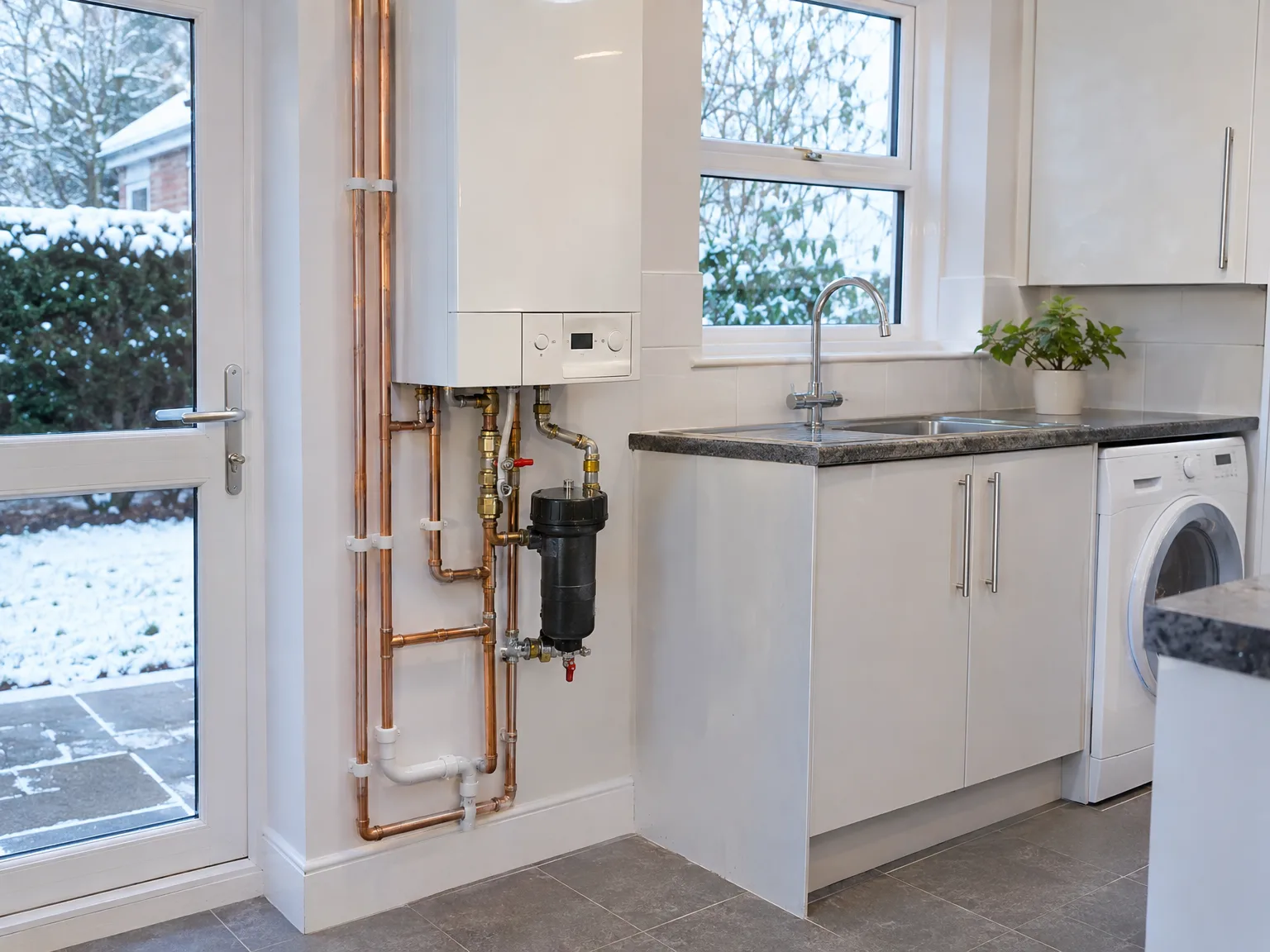
A magnetic flush takes a fundamentally different route. A permanent magnet filter - installed inline on the return pipe - captures ferrous particles continuously as water circulates. Inhibitor chemicals work alongside the filter, breaking down existing scale and preventing fresh corrosion from forming. When comparing magnetic system flush vs powerflush for cleaning your central heating, the core distinction is sustained, ongoing action versus a single high-pressure event.
Protection that continues afterwards
The filter remains in place once treatment is complete, trapping particles throughout normal daily operation. This continuous filtration shields heat exchangers, diverter valves and pumps long after the engineer has left - a layer of defence that a powerflush alone simply cannot provide.
Magnetic System Flush vs Powerflush: Comparing the Two Approaches
When considering magnetic system flush vs powerflush for cleaning your central heating, the distinction goes beyond technique alone. Powerflush drives large volumes of water at high pressure through the system to dislodge accumulated sludge and debris - a forceful approach suited to heavily contaminated older installations. Magnetic flushing, by contrast, deploys an inline filter alongside inhibitor chemistry to capture ferrous particles continuously and break down scale over time.
Suitability and System Condition
A Gas Safe registered engineer will assess system age, heating distribution and sludge severity before recommending either method. Where contamination is severe, powerflush may be the necessary first step; where buildup is moderate, magnetic treatment offers a less disruptive alternative.
Ongoing Protection and Modern Compatibility
The magnetic approach carries a distinct long-term advantage: the installed filter continues capturing harmful particles during everyday operation, protecting sensitive heat exchangers and controls. Modern boiler installations increasingly favour this combination of filtration and inhibitor chemistry for sustained performance and warranty compliance.
Recognising the Signs That Your Central Heating Needs Cleaning
Your heating system rarely fails without warning. When a radiator feels warm at the top yet stays cold at the bottom, that tells you sludge and magnetite have settled in the lower sections, blocking heat transfer. Poor distribution across multiple rooms, or water that runs dark and rusty when you bleed a radiator, are equally telling signs.
Common Warning Signs to Watch For
- Cold patches at the bottom of one or more radiators
- Rooms that struggle to reach temperature even at full output
- Dark, rusty water released when bleeding radiators
- A boiler that works harder and runs longer than it used to
Why Early Action Matters
Whether the solution turns out to be a magnetic system flush vs powerflush, cleaning your central heating before contamination worsens protects your boiler, pump and heat exchanger from premature failure. Left unchecked, sludge causes diverter valves to stick and shortens the life of every component in the system.
What a Gas Safe Engineer Assesses Before Cleaning Your Central Heating
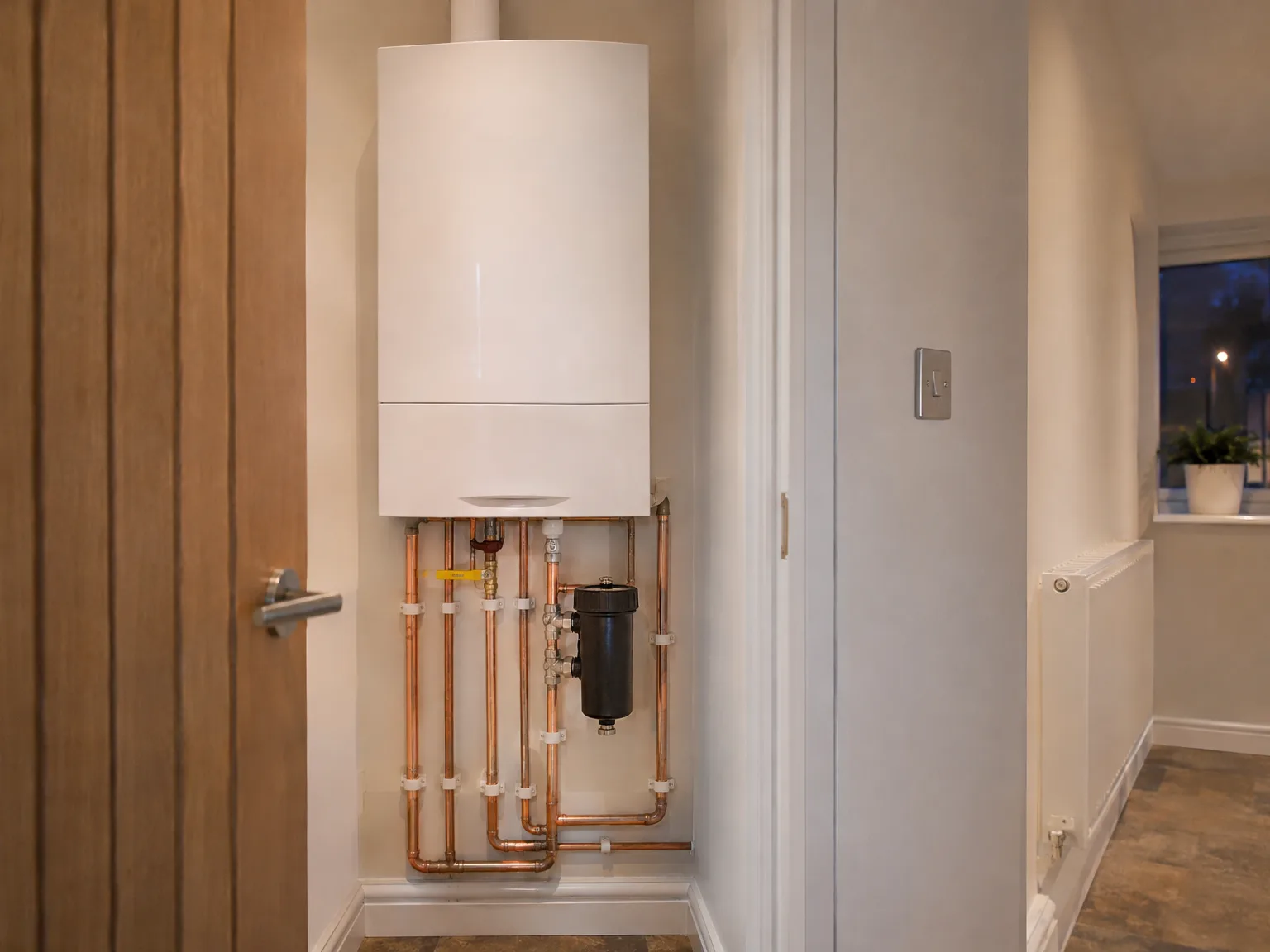
Before any work begins, a Gas Safe registered engineer carries out a methodical assessment - the outcome of which directly shapes the decision around magnetic system flush vs powerflush for cleaning your central heating. No two systems are identical, and skipping this evaluation risks choosing the wrong method entirely.
Reading the System's History
System age matters enormously. An older installation with years of untreated water has had far longer to accumulate magnetite, sludge and scale. The engineer will ask about previous servicing, any recurring boiler faults, and whether inhibitor has ever been dosed into the system.
Testing Performance and Sludge Severity
Radiators cold at the bottom, sluggish heat-up times and recurring pump failures are all diagnostic signals. The engineer checks flow rates, bleeds radiators to inspect water colour and assesses visible corrosion - sludge severity ultimately determines whether gentle magnetic filtration or more intensive cleaning is appropriate.
Magnetic System Flush vs Powerflush: Which Method Suits Your System?
When weighing up magnetic system flush vs powerflush for cleaning your central heating, three factors guide a Gas Safe registered engineer's recommendation: system condition, boiler type and long-term maintenance strategy.
Reading System Condition
The severity of sludge and scale matters most. Heavily contaminated systems may need a powerflush first to restore adequate flow; where contamination is moderate, magnetic flushing combined with inhibitor chemistry often delivers cleaner, longer-lasting results without the stress of aggressive pressure cycles.
Boiler Type and Maintenance Strategy
Modern boilers with delicate heat exchangers can be vulnerable to powerflush cycles, making magnetic filtration a natural fit. It captures ferrous particles continuously after the flush, protecting sensitive components over time. Key considerations include:
- Older, heavily sludged systems may require powerflush before magnetic filter installation.
- Modern installations increasingly favour magnetic treatment combined with inhibitor chemistry.
- Either approach supports manufacturer warranty conditions and boiler servicing compliance.
The Role of Inhibitor Chemistry in Cleaning Your Central Heating
Inhibitor chemistry is the quiet partner in any effective heating system clean. Where magnetic filtration captures ferrous particles, chemical inhibitors tackle the broader problem: dissolving existing scale, neutralising acidic corrosion and conditioning the water itself. Without them, even a thorough flush leaves the system vulnerable to rapid recontamination.
Breaking Down Scale and Corrosion
A quality inhibitor does two jobs simultaneously:
- It breaks down limescale deposits clinging to pipework and heat exchanger surfaces
- It creates a protective film that prevents future oxidation of ferrous metals
Sustained Protection Between Services
When comparing magnetic system flush vs powerflush for cleaning your central heating, inhibitor chemistry tips the balance. A powerflush removes debris in one aggressive session; a magnetic flush paired with inhibitor provides ongoing protection-keeping water clean, boiler components clear, and the system running efficiently until the next service interval.
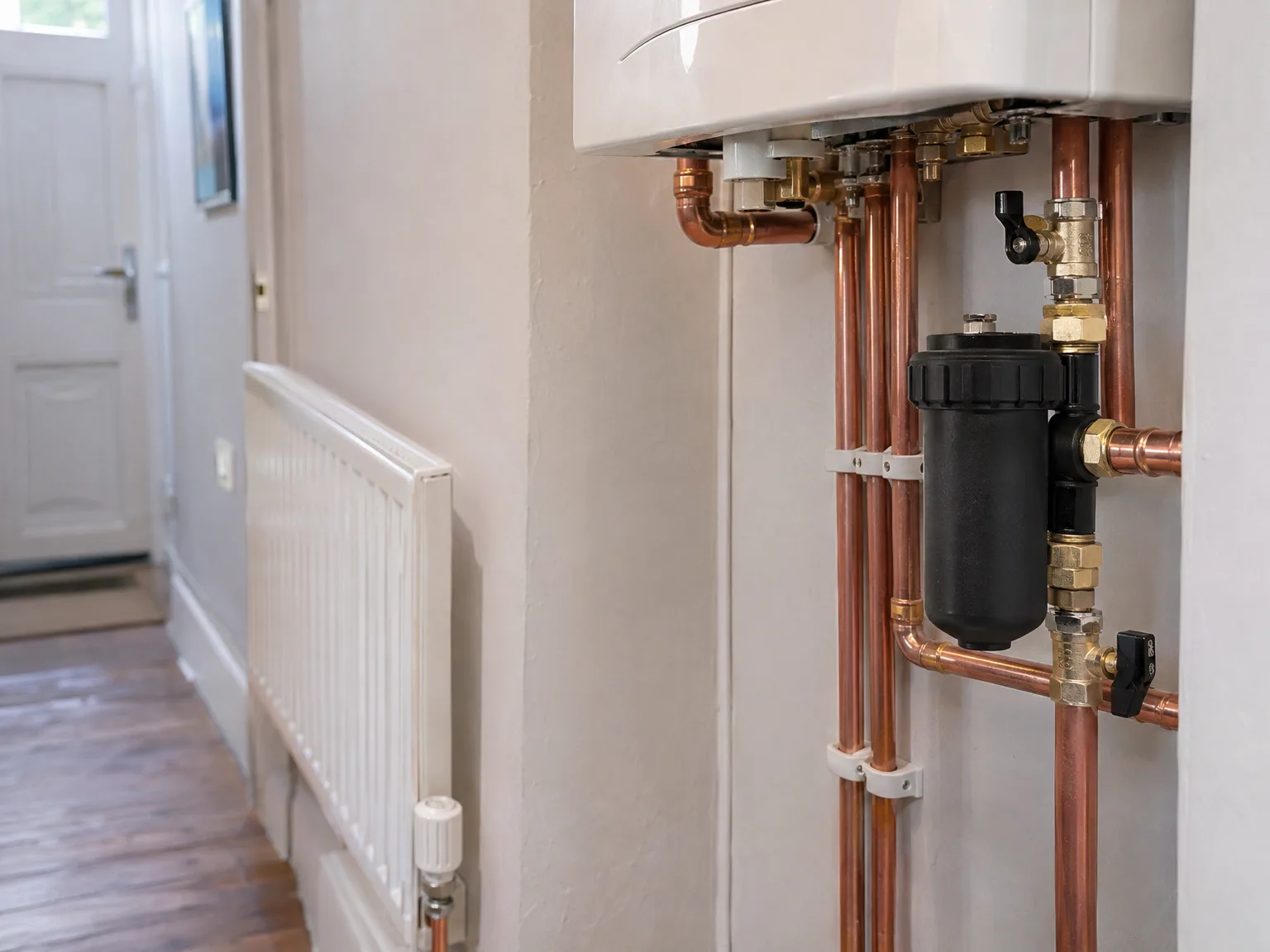
Long-Term Benefits of Magnetic Filtration After a System Flush
A flush clears the system; a magnetic filter keeps it clear. Once installed inline, a permanent magnetic filter continuously captures ferrous particles that reform during normal operation, preventing them from reaching delicate heat exchangers, diverter valves and controls. The result is a system that stays cleaner for longer - not just immediately after treatment, but throughout its working life.
Ongoing Protection, Day After Day
Unlike a one-off powerflush, magnetic filtration works silently in the background every time the boiler fires. Debris that would otherwise accumulate and restrict flow is intercepted before it causes damage, extending the operational life of pumps, boilers and radiators alike.
Maintaining Warranty and Compliance
When weighing magnetic system flush vs powerflush for cleaning your central heating, the long-term advantages of magnetic filtration become especially clear. Many boiler manufacturers specify inhibitor use and magnetic filtration as conditions for warranty coverage, making a permanently installed filter a sensible investment in lasting system health.
Magnetic System Flush vs Powerflush: Making the Right Choice for Your Home
The right approach depends on your system's condition and long-term maintenance goals. Heavily contaminated, older systems often benefit from the thoroughness of a powerflush, whilst moderately dirty or newer systems respond well to the sustained chemistry and filtration of a magnetic flush.
Matching the Method to Your System
A Gas Safe registered engineer will assess your heating and sludge severity before recommending either option. Key factors include:
- System age and the extent of existing corrosion and magnetite deposits.
- Boiler type, since modern heat exchangers are particularly vulnerable to debris damage.
- Whether ongoing protection matters, as a magnetic filter continues capturing harmful particles during normal operation.
Why Cleanliness Matters Long-Term
When weighing magnetic system flush vs powerflush for cleaning your central heating, the decision is about far more than immediate comfort. A properly maintained system supports boiler servicing compliance, extends the lifespan of pumps, valves and controls, and helps preserve manufacturer warranty conditions - protecting your investment well into the future.
FAQ - Frequently asked questions
What are the warning signs that my central heating system needs cleaning?
Common warning signs include cold spots at the bottom of your radiators (indicating trapped sludge), discoloured water when bleeding the radiators, and a boiler that runs noisily or struggles to reach the desired temperature. These indicators suggest that debris has accumulated and is restricting water flow through your system.
What types of debris accumulate in central heating systems over time?
Debris falls into several distinct categories. Magnetite is black iron oxide particles formed when oxygen reacts with ferrous metals. Limescale consists of hard calcium deposits that coat heat exchangers and inhibit heat transfer. Corrosion debris comprises metal fragments shed from ageing pipework and radiators. All three types accumulate gradually during normal heating operation, each heating season adding another layer that narrows pipework and restricts flow.
Why is it important to clean your central heating system?
A dirty system is an inefficient one, forcing your boiler to work harder than it should. The consequences spread throughout your system: boilers strain against reduced heat transfer and wear out prematurely; pumps fight against blockages, leading to early failure; diverter valves clog with sludge and lose their switching ability; and radiators remain cold at the bottom, leaving rooms underheated. Proper cleanliness protects your boiler's warranty, extends component lifespan and ensures heat reaches every room reliably.