
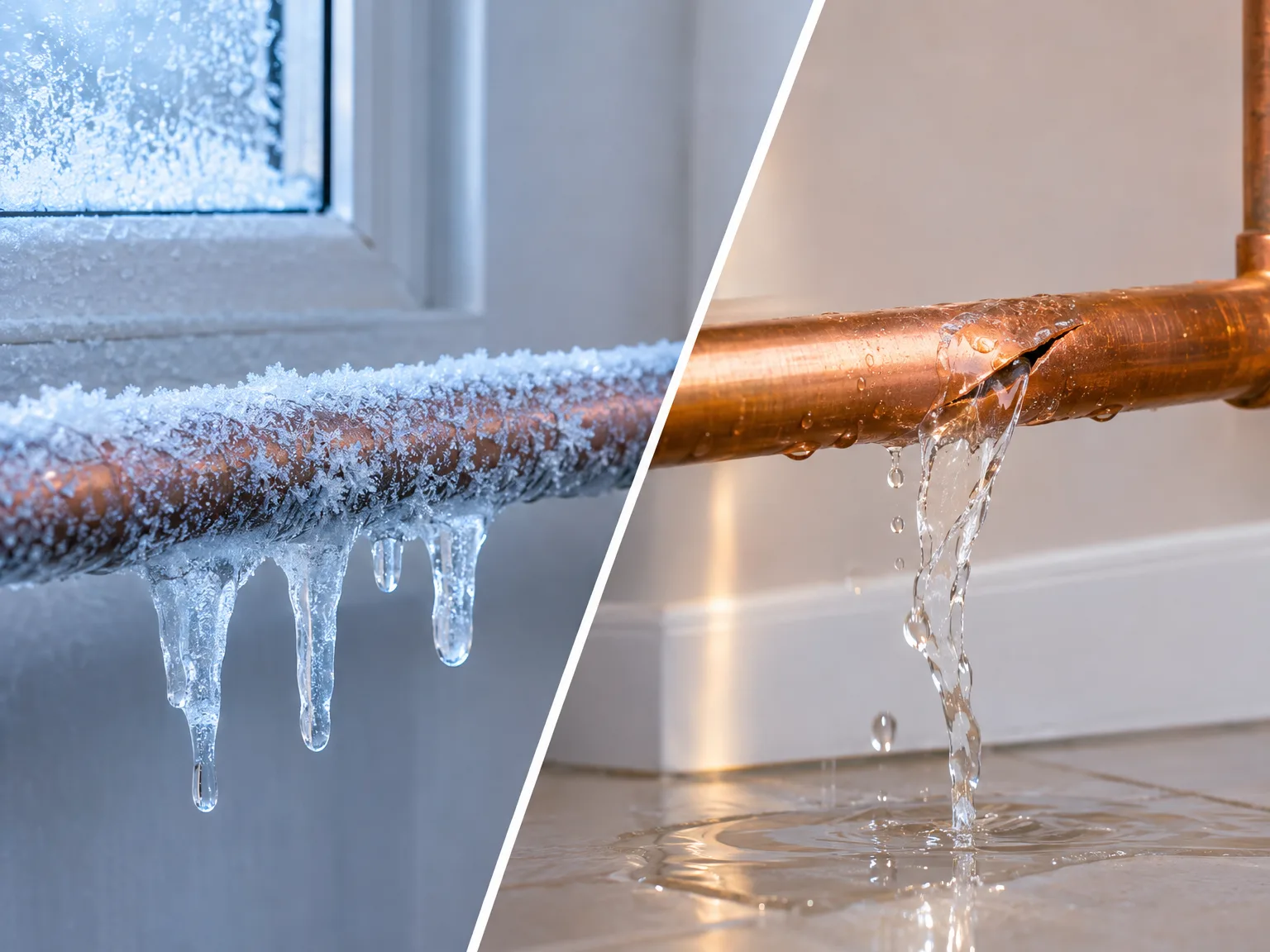
Frozen or Burst Pipe? What to Do Before the Plumber Arrives
A frozen or burst pipe can quickly turn into a serious emergency, so knowing what to do before the plumber arrives may well save your home from lasting damage.
Frozen or Burst Pipe? What to Do Before the Plumber Arrives
A frozen or burst pipe can escalate from a dripping inconvenience to a flooded room within minutes. Understanding what to do with a frozen or burst pipe before the plumber arrives is the difference between a minor disruption and serious, lasting damage to your home.
Act Immediately, Stay Calm
The single most important step is shutting off your mains stopcock - this isolates the water supply and stops any further flooding.
- Find the stopcock - typically under the kitchen sink or in an outside chamber
- Turn it clockwise to cut off the supply
- Open nearby taps to release remaining pressure safely
What to Avoid
Never apply direct heat to frozen pipework. A naked flame risks splitting already-stressed pipes further. Gentle warmth is acceptable; anything more aggressive will worsen the problem considerably. These simple measures keep damage to a minimum until professional help arrives.
What Causes a Pipe to Freeze or Burst in Cold Weather
Water does not simply stop flowing when temperatures drop - it expands. That expansion places intense pressure on copper, plastic and steel pipework, and during a prolonged cold spell, that pressure can exceed what the pipe walls can withstand.
Where Pipes Are Most Vulnerable
Some areas of a home are far more exposed than others:
- Uninsulated loft pipework, surrounded by cold air with no heating
- Pipes running along external walls
- Sections beneath suspended floors where draughts circulate
- Outdoor runs fully exposed to wind chill
How a Freeze Becomes a Burst
The danger is not always the freeze itself. Understanding a frozen or burst pipe - what to do before the plumber arrives - often begins with the thaw: heating comes back on, some sections defrost whilst others remain blocked by ice, and the resulting pressure surge is what splits the pipe.
Where Frozen and Burst Pipes Are Most Likely to Occur in Your Home
Not every pipe in your home carries the same risk. The ones most likely to freeze are those running through cold, unprotected spaces - areas where there is little ambient warmth to keep temperatures above freezing, even overnight.
Lofts, Floors and External Walls
Pipes running through uninsulated lofts are among the first to freeze during a prolonged cold spell, as roof spaces lose heat rapidly. External walls offer similarly little protection, particularly in older properties. Pipework beneath suspended timber floors is another overlooked danger zone - out of sight and exposed to draughts from below.
Outdoor and Exposed Runs
Garden taps, pipes running to outbuildings and any exposed outdoor section are at high risk the moment temperatures drop for any length of time. Knowing these locations is essential: a frozen or burst pipe situation calls for immediate action before the plumber arrives, and finding the source quickly limits further damage.
Spotting the Warning Signs of a Frozen or Burst Pipe
Your home's pipework rarely falls silent without reason. When temperatures drop, the first clues often arrive subtly - a tap that runs weaker than usual, or an outlet that delivers nothing at all. These are precisely the moments when knowing what to do with a frozen or burst pipe before the plumber arrives can spare you from significant water damage.
Sounds, Pressure and Flow
Unusual gurgling from within walls or floors signals water struggling past a partial ice blockage. A sudden loss of flow to one tap - whilst others still run normally - suggests a frozen section in a specific branch of pipework rather than a wider system failure. Reduced pressure across multiple outlets may point to something more serious.
Where Pipes Are Most at Risk
Pipework running through uninsulated lofts, along external walls, beneath floors or in exposed outdoor runs freezes first during a prolonged cold spell. Knowing these vulnerable spots helps you identify the source quickly when warning signs appear.
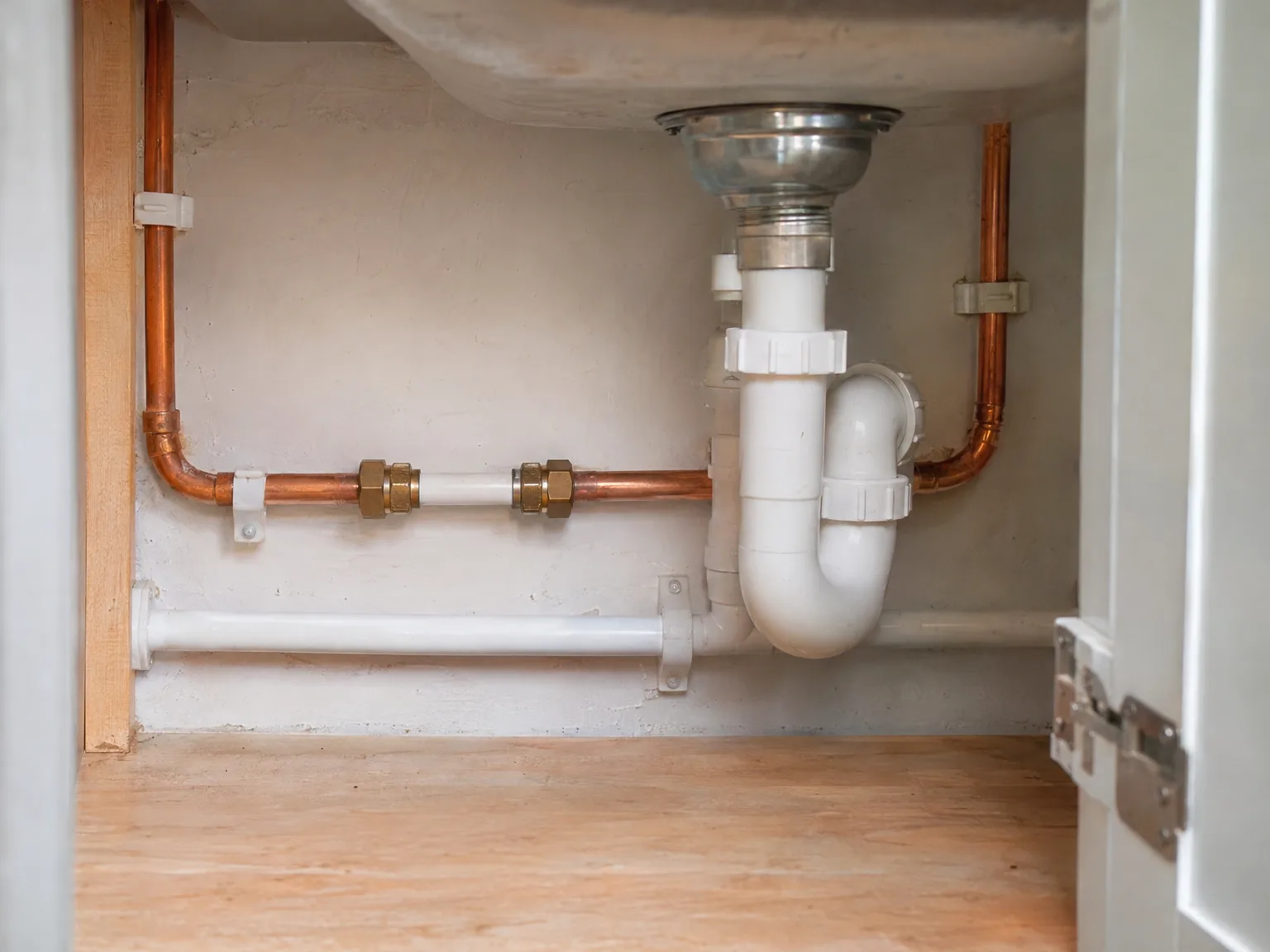
What to Do with a Frozen or Burst Pipe Before the Plumber Arrives: Isolate the Water Supply
Knowing what to do before the plumber arrives when dealing with a frozen or burst pipe can be the difference between a minor repair and significant water damage. Your first action - without exception - is to shut off the mains water supply at the stopcock. This stops water from entering the damaged section of pipework and limits the spread of any leak.
Locating Your Stopcock Quickly
Your stopcock is typically found in one of these places:
- Under the kitchen sink, towards the back
- Outside the property in a boundary chamber
- Beneath a hallway floor panel or in a utility cupboard
Once the Water Is Isolated
Open nearby taps to release any remaining pressure safely from the system. This reduces further stress on weakened pipework and gives the plumber a safer, drier environment to work in on arrival.
Finding Your Stopcock Before an Emergency Strikes
In any frozen or burst pipe situation, knowing what to do before the plumber arrives starts long before the emergency itself. The single most important step you can take right now is to locate your stopcock - the valve that isolates your mains water supply - and confirm it actually works.
Where to Look First
Stopcocks hide in predictable spots:
- Under the kitchen sink, often tucked towards the back of the cabinet.
- Inside an external inspection chamber near the front of your property.
- At the property boundary, beneath a small metal or plastic cover set into the pavement or driveway.
Test It Every Autumn
Once you have found yours, try turning it to check it moves freely. A seized stopcock is useless in a crisis - if it feels stiff or stuck, arrange for it to be replaced before the cold arrives.
Why Opening Your Taps Matters After Shutting Off the Mains
Shutting off the mains stopcock is the right first move - but not the last. Residual water pressure lingers inside pipework long after the supply is cut, continuing to stress any weakened or split sections. Opening nearby taps releases it gently, reducing the risk of further damage before help arrives.
Pressure, Not Just Water
Think of the pipework as a sealed system still under tension. With the mains isolated, turning a tap gives that trapped pressure somewhere to go, rather than allowing it to bear against a compromised joint or split. This straightforward step is central to knowing what to do before the plumber arrives when you are dealing with a frozen or burst pipe.
Which Taps to Open First
Prioritise taps closest to the affected area. Cold taps clear residual water from supply lines; hot taps help release any remaining pressure from the wider system. Keep them open until flow stops entirely and you are confident the pipework has fully depressurised.
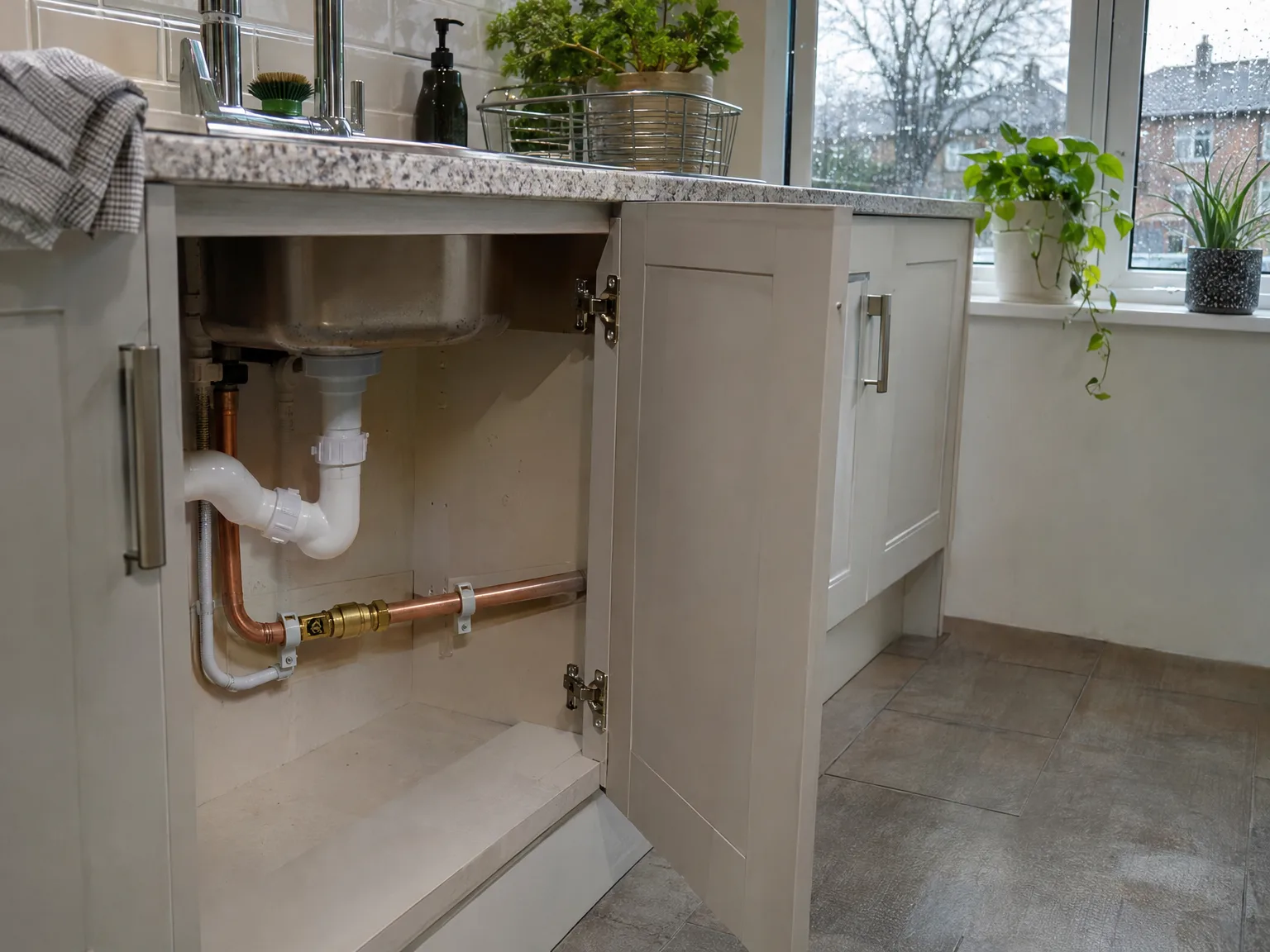
How to Safely Thaw a Frozen Pipe Before the Plumber Arrives
If you have a frozen or burst pipe, what to do before the plumber arrives may well include attempting a careful thaw - provided the pipe is accessible and shows no visible signs of cracking or leaking.
Choosing the Right Heat Source
A hairdryer on a low setting, warm towels or a heating pad applied along the pipe are all safe options. Begin at the tap end and work gradually towards the frozen section, keeping the nearest tap open so that water and any residual pressure can escape as the ice melts. Work slowly, never rushing the process.
What You Must Avoid
Never apply a naked flame or blowtorch to any pipework - direct, intense heat risks damaging the pipe material, creating a fire hazard and potentially worsening the blockage. Keep the surrounding area clear at all times and watch closely for any sign of water escaping. Even a minor drip can develop into a significant leak once full flow is restored, so stay alert throughout.
What You Should Never Do When Dealing with a Frozen Pipe
When you're managing a frozen or burst pipe, what to do before the plumber arrives matters - but equally important is knowing what not to do. One wrong move can turn a manageable freeze into a far costlier disaster.
Never Apply Naked Flame
Reaching for a blowtorch might seem like a quick fix, but applying direct flame to frozen pipework is one of the most dangerous mistakes a homeowner can make. The intense heat splits pipe material, creates a serious fire risk in surrounding woodwork, and can cause damage far worse than the original freeze.
Avoid Sudden, Excessive Heat
Even without an open flame, blasting a frozen section with a heat gun on full power or pouring boiling water directly onto pipework risks cracking the pipe as it expands too rapidly. Gentle, gradual warmth is always the safer choice - patience is your best tool while you wait for professional help.
When a Burst Pipe Requires Immediate Professional Repair
A burst pipe is not a DIY fix. Water can spread through walls, floors and ceilings within minutes of a split in the pipework, and without proper repair, the damage compounds quickly.
The Limits of First Aid
Shutting off the mains and releasing pressure are essential first steps - but they don't restore your water supply or address the structural damage to the pipe itself. A Gas Safe registered engineer or qualified plumber must inspect the affected section, check surrounding pipework for hidden weakness and carry out a safe, lasting repair.
Call a Professional Promptly
While the earlier sections of this guide cover a frozen or burst pipe and what to do before the plumber arrives, professional assessment is never optional. The engineer will also identify the underlying cause - inadequate lagging, poor insulation or low thermostat settings - to prevent the problem from recurring.
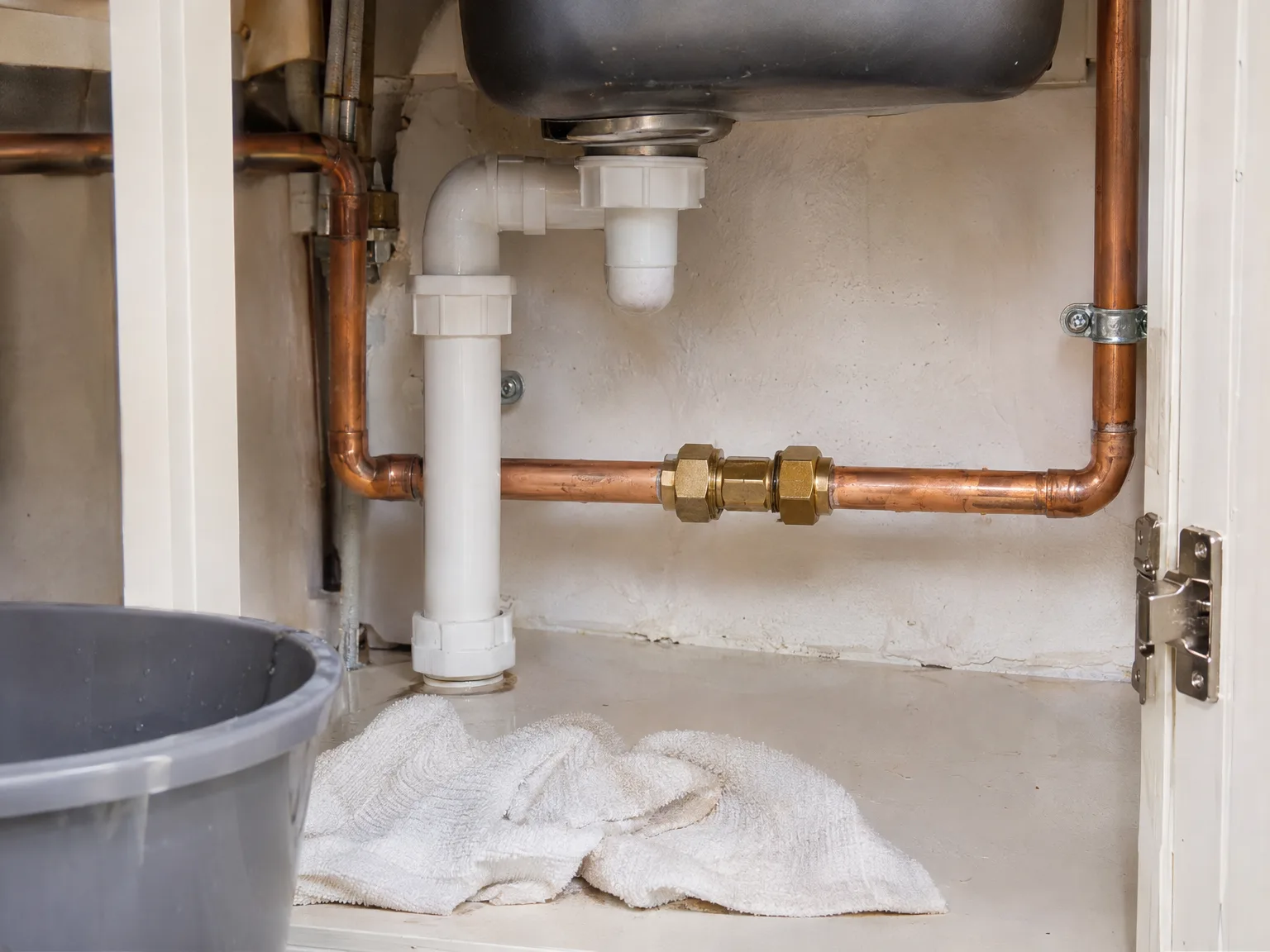
How to Limit Water Damage While Waiting for the Plumber
When facing a frozen or burst pipe, knowing what to do before the plumber arrives goes well beyond shutting off the mains - the minutes that follow are equally critical for protecting your home from lasting damage.
Clear the Area Swiftly
Move rugs, furniture and valuables well away from the affected zone without delay. Lay towels around wet pipework to absorb residual drips and position containers beneath any active leaks. Even modest standing water can penetrate floorboards and cause structural harm if left unchecked.
Record the Damage Promptly
Before beginning any significant clean-up, photograph the scene thoroughly. Capture the affected pipework, pooled water and any damaged belongings from several angles. Clear documentation supports any insurance claim and demonstrates that you took reasonable steps to contain the damage - a requirement that most household policies include.
Long-Term Measures to Prevent a Frozen or Burst Pipe from Recurring
Understanding what to do with a frozen or burst pipe before the plumber arrives is only part of the picture. The real priority is ensuring it never happens again. A qualified heating engineer identifies the root causes - inadequate pipe lagging, poor insulation, unsuitable thermostat settings - and recommends targeted improvements.
Pipe Lagging and Exposed Sections
Pipework in uninsulated lofts, external walls and under floors is most vulnerable to freezing. Proper lagging around these exposed sections reduces the risk markedly during prolonged cold spells and is one of the most straightforward preventive steps available.
Thermostat Settings and Timer Programmes
Keeping a background level of heat throughout the property - even when unoccupied - prevents pipework from dropping to freezing temperatures. A heating engineer can tailor thermostat settings and timer schedules to suit your home's specific layout.
Annual Professional Checks
A yearly inspection by a Gas Safe registered engineer catches small vulnerabilities before they escalate into serious emergencies, giving you confidence ahead of every winter.